More Than a Trend: A Financial Shift
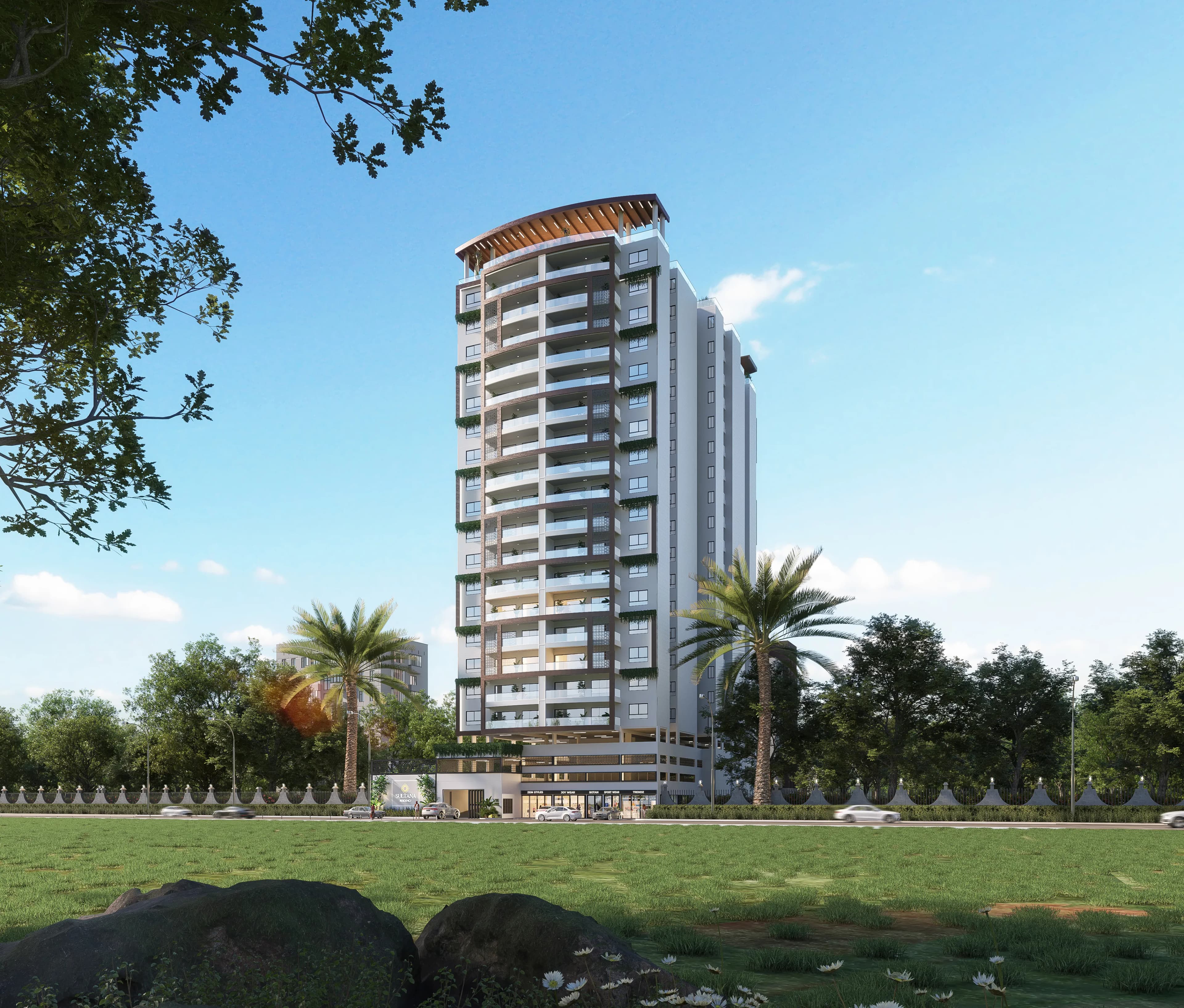
For years, the definition of a premium property in areas like Kilimani and Lavington was straightforward. Today, a new factor is tilting the scales. A recent study revealed that 29% of African homebuyers actively prefer green homes and are willing to pay a premium for them. This isn’t just about environmental consciousness; it’s about tangible, long-term savings. Green buildings in Kenya have been shown to reduce annual electricity bills by a staggering KES 585 million collectively by using at least 20% less energy than conventional buildings. This directly translates into lower operational costs for owners and higher desirability for tenants.
The Dollars and Sense of Sustainable Design
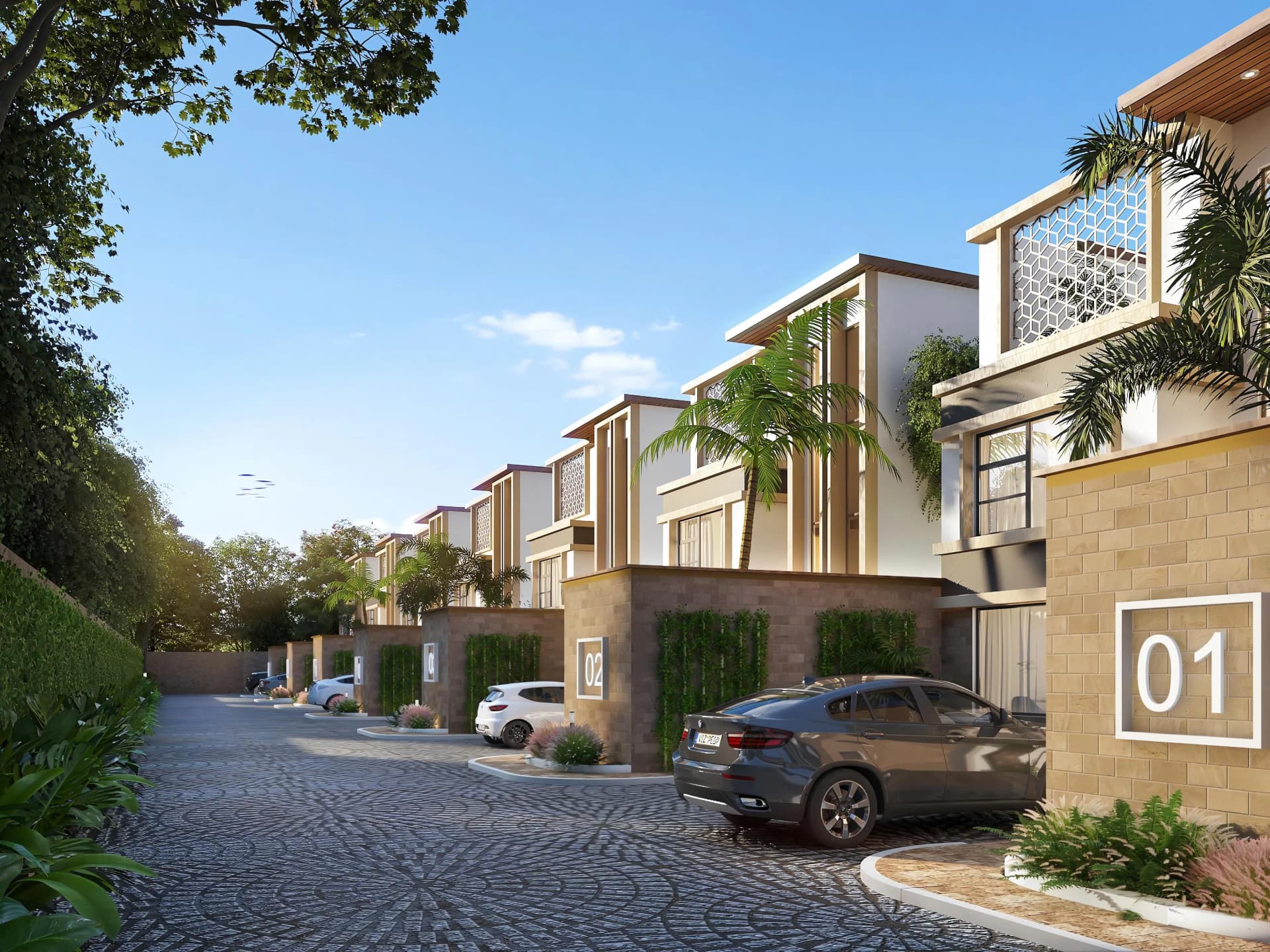
- **Higher Rental Income and Occupancy:** Green-certified buildings are increasingly attracting high-quality corporate and expatriate tenants who prioritize sustainability. This demand allows owners to command premium rental rates and maintain higher occupancy levels, directly boosting cash flow.
- **Lower Operating Costs:** Features like solar power integration and advanced water conservation systems significantly cut down on utility expenses. With solar power costs having dropped by 80% since 2010, the financial case for these features is stronger than ever.
- **Future-Proofing Your Asset:** As regulations evolve and the market becomes more environmentally aware, green-certified properties are better positioned to retain their value. They are, in essence, a hedge against the future obsolescence that may affect less efficient buildings.
"Investing in a green building is no longer a niche strategy; it is the new standard for creating resilient, high-performing real estate assets in Nairobi."